



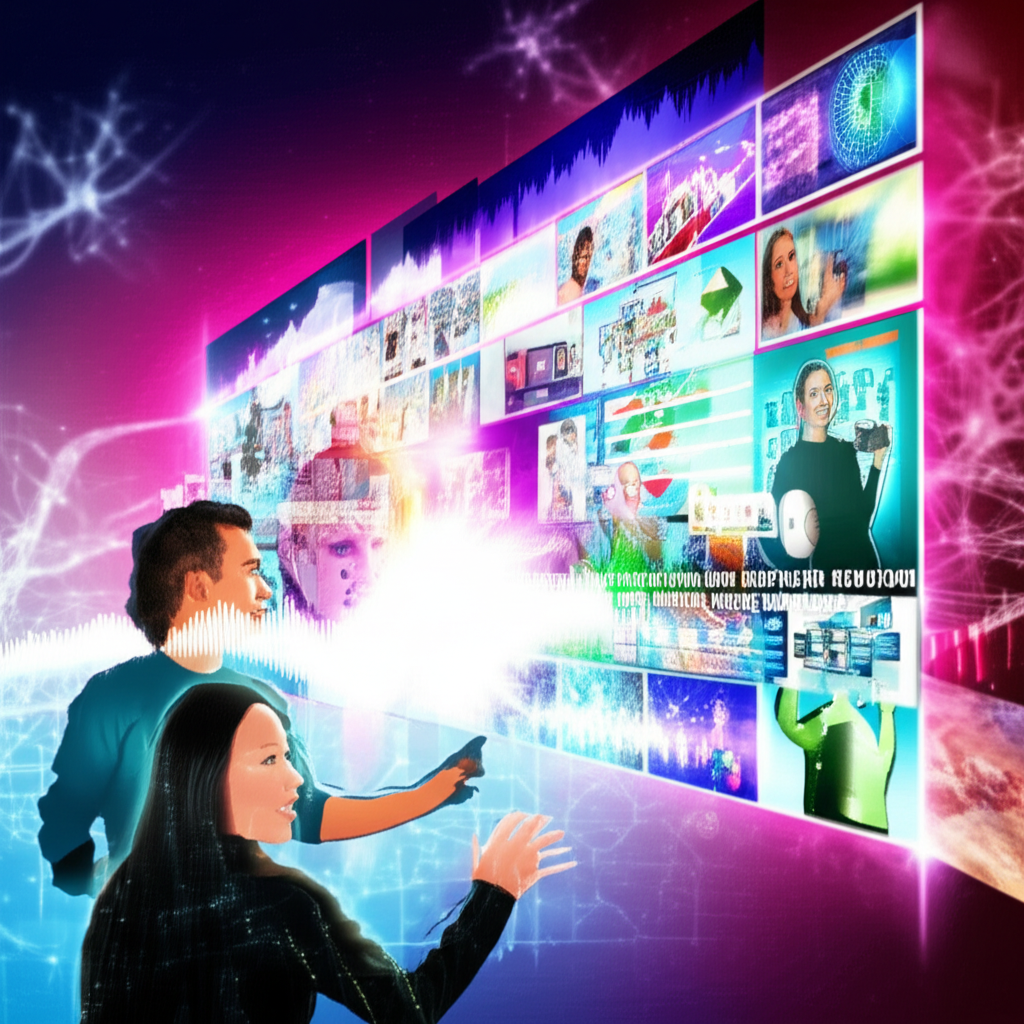
The Multimodal AI Revolution: GPT-4o, Gemini, and the Future of Human-Computer Interaction
The world of Artificial Intelligence is experiencing a seismic shift, moving beyond text-based large language models (LLMs) and static image generators. The new frontier is Multimodal AI, a revolutionary approach where systems can understand, interpret, and generate content across various modalities—text, audio, image, and video—simultaneously and seamlessly. This evolution promises a future where human-computer interaction becomes incredibly intuitive, mimicking natural human communication. Recent advancements, spearheaded by models like OpenAI's GPT-4o and Google's Gemini, are not just incremental updates; they represent a fundamental rethinking of how AI integrates into our daily lives and workflows. As these powerful models break new ground, the race for multimodal AI dominance intensifies, setting the stage for unprecedented innovation and profound societal changes.
Understanding Multimodal AI: Beyond Text and Pixels
Multimodal AI refers to artificial intelligence systems capable of processing and integrating information from multiple data types, or 'modalities.' Unlike earlier AIs that specialized in a single domain (e.g., text generation or image recognition), multimodal models can fluidly switch between and combine these modalities. Imagine an AI that can understand your spoken question, analyze an image you show it, generate a text response, and even create a short video clip based on the context—all within a single interaction. This holistic approach allows for a richer, more nuanced understanding of complex inputs and enables AI to engage in more sophisticated, human-like interactions. It's the key to building truly intelligent agents that can perceive and act in the world with greater context and versatility.
GPT-4o: The 'Omni' Model Redefining Interaction
- Real-time Multimodal Processing: GPT-4o ("o" for omni) represents a significant leap, designed to process text, audio, and visual inputs and outputs in real-time. This allows for incredibly natural, low-latency voice interactions, mimicking human conversation more closely than ever before.
- Enhanced Voice Capabilities: With improved emotional detection and expressive speech generation, GPT-4o can interpret tone and respond with appropriate intonation, making conversations feel more empathetic and less robotic.
- Advanced Vision Understanding: The model can analyze live video feeds or images, understand complex visual scenes, and provide real-time commentary or assistance. This opens doors for applications in accessibility, augmented reality, and personalized learning.
- Speed and Efficiency: Built for speed, GPT-4o responds to audio inputs as quickly as 232 milliseconds (average 320 milliseconds), comparable to human response times, while matching GPT-4 Turbo's performance on text and code, and excelling in multilingual capabilities.
Google Gemini: A Powerful Contender in the Multimodal Arena
Google's Gemini series stands as a formidable competitor in the multimodal AI race. Launched with a strong emphasis on being natively multimodal from the ground up, Gemini has demonstrated impressive capabilities across various tasks requiring the integration of different data types. From understanding complex scientific papers combining text and diagrams to analyzing video content for specific actions, Gemini aims to be a versatile powerhouse. Google's ongoing development, showcased at events like Google I/O, consistently highlights its efforts to enhance Gemini's reasoning, coding, and creative abilities across text, image, audio, and video modalities. The competition between OpenAI and Google DeepMind is driving rapid innovation, pushing the boundaries of what multimodal AI can achieve and accelerating its integration into products like Google Search, Workspace, and Android.
The Future of Human-Computer Interaction and Beyond
- Natural Language Interfaces: Expect far more intuitive interfaces across devices, from smart homes to cars, where voice and gestures become primary interaction methods, seamlessly integrated with visual context.
- Personalized Learning and Assistance: AI tutors that can analyze a student's emotional state, explain concepts visually, and provide tailored audio feedback.
- Enhanced Accessibility: New tools for individuals with disabilities, offering real-time assistance through multimodal understanding of their environment.
- Creative and Productivity Boosts: AI co-creators that can generate content across media types, from video scripts to musical scores, based on natural language prompts and visual cues.
- Ethical Considerations: The rapid rise of multimodal AI also brings forth critical discussions around bias in data, privacy concerns with constant sensory input, and the ethical deployment of increasingly autonomous and perceptive systems. Ensuring responsible development and deployment will be paramount.