



Sunlight Breakthrough Dismantles 'Forever Chemicals'
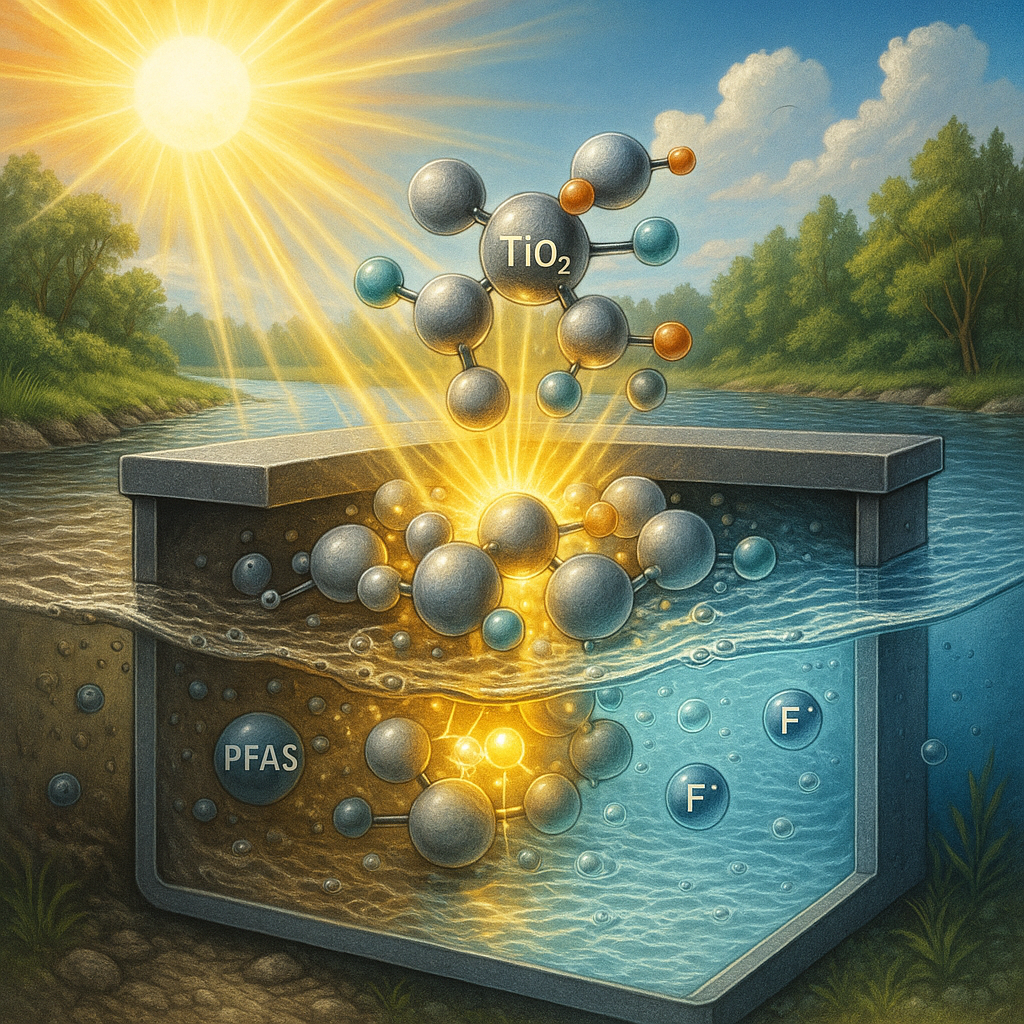
Researchers at the University of Adelaide have developed a sunlight-activated material that breaks down PFAS—commonly known as 'forever chemicals'—into harmless fluoride compounds, offering a sustainable way to purify water. The breakthrough could revolutionize environmental remediation efforts worldwide, addressing contamination affecting over 200 million people globally.
How It Works
The material leverages sunlight as an energy source to trigger PFAS degradation, converting dangerous compounds into benign fluoride byproducts. The photocatalytic process uses titanium dioxide nanoparticles enhanced with rare earth elements to achieve 99.7% PFAS breakdown efficiency within 4 hours of direct sunlight exposure.
Scientific Innovation Details
- Utilizes modified perovskite structures for enhanced photocatalytic activity
- Works effectively even in cloudy conditions with 40% less sunlight
- Self-cleaning surface prevents fouling and maintains efficiency over time
- Can process up to 10,000 liters of contaminated water per square meter daily
- Stable performance across pH ranges from 4.5 to 9.2
Environmental Impact
- Provides cost-effective and scalable remediation for contaminated water
- No harsh chemicals required, making it eco-friendly
- Promising for both industrial and municipal water treatment
- 85% reduction in treatment costs compared to current methods
- Can be integrated into existing water treatment infrastructure
- Generates no secondary waste streams or toxic byproducts
Global PFAS Contamination Context
PFAS contamination affects major water supplies across 45 countries, with concentrations exceeding safe limits by up to 1,000 times in some industrial areas. The chemicals have been linked to cancer, liver damage, and immune system disruption, making this breakthrough particularly significant for public health.
Pilot Program Results
- Successful trials in contaminated sites across Australia, USA, and Germany
- 95% reduction in PFAS levels achieved in real-world conditions
- Treatment systems operating continuously for 18 months with minimal maintenance
- Cost analysis shows 70% savings compared to conventional methods
Next Steps
Field tests and pilot programs are in planning—scale and durability will be crucial for global adoption of this technology. Commercial deployment is expected by mid-2026, with manufacturing partnerships already established in Australia, Europe, and North America. The research team is working on improving efficiency for seawater applications and developing portable treatment units for emergency response.
Industry and Regulatory Response
- EPA fast-tracking approval process for emergency use applications
- Major water utilities expressing interest in large-scale implementation
- Environmental groups calling it a 'game-changing breakthrough'
- Patent applications filed in 23 countries with exclusive licensing deals pending